For the better part of a decade, the narrative surrounding the internet has been—let’s face it—a bit grim. We talk about echo chambers, the toxicity of social media comments, and the algorithmic "bubbles" that keep us from seeing perspectives different from our own. It’s easy to feel like the digital world has become a place of division rather than connection.
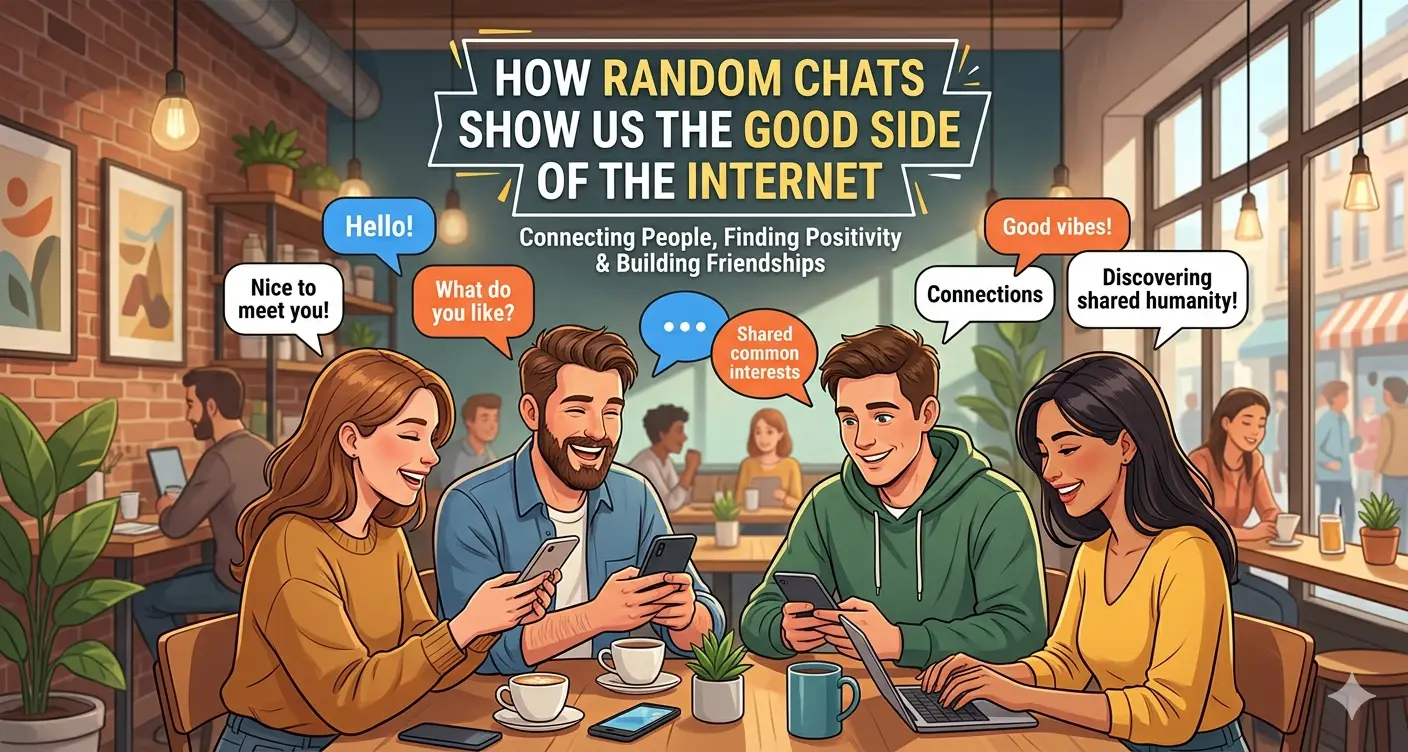
But if you look away from the curated feeds of mainstream social platforms, there is a quieter, more spontaneous movement happening. It’s found in the world of random chat. While the idea of talking to a total stranger online might have once felt like a niche hobby, it has evolved into a powerful reminder of our shared humanity. From the simplicity of a "hello" to deep, late-night philosophical debates, platforms like Chathome are proving that when you strip away the baggage of profiles and followers, the internet can be a remarkably kind place.
The Magic of the Blank Slate
The primary appeal of an anonymous chat is the freedom of the blank slate. On traditional social media, we are tied to our identities. Every post is curated to fit a brand or a persona. We worry about what our colleagues, family, or friends might think. This "identity fatigue" often prevents us from being truly vulnerable or honest.
In a random chat environment, that pressure vanishes. You aren't a profile picture or a bio; you are simply a voice. This anonymity doesn't just provide privacy—it provides a safe space for authenticity. When two people meet without preconceived notions of who the other person is, they tend to skip the small talk and dive into what actually matters. It’s a digital version of the "stranger on a train" phenomenon, where we find it easier to open up to someone we will never meet again than to someone in our daily lives.
Breaking Down Geographical Walls
We live in a world that feels increasingly polarized, yet the internet remains the only tool in history that can instantly bridge the gap between a student in Jakarta and a retired teacher in Berlin. Random chat serves as a frontline for cultural exchange.
Most of our online interactions are governed by algorithms that show us people who think like us, look like us, and live near us. A random chat disrupts that cycle. It forces a collision with the "other." You might spend twenty minutes talking to someone from a country you’ve only seen on a map, learning about their daily struggles, their favorite local food, or their hopes for the future. These micro-interactions do more to build global empathy than a thousand news articles ever could. It’s hard to harbor prejudices against a culture when you’ve shared a genuine laugh with someone who lives there.
Chathome: Finding Comfort in Spontaneity
Platforms like Chathome have tapped into a fundamental human need: the need for spontaneous connection. In the physical world, serendipity is dying. We order groceries on apps, work from home, and wear noise-canceling headphones in public. The "chance encounter" is becoming a rarity.
The digital space offered by a random chat restores that sense of chance. There is a specific kind of dopamine hit that comes from hitting "next" and finding a kindred spirit on the other side of the world. It’s a reminder that despite our different languages and backgrounds, human emotions are universal. Whether it’s sharing a joke, venting about a bad day, or offering advice to someone in a crisis, these platforms facilitate the "Good Side" of the internet by prioritizing human interaction over data harvesting.
The Surprising Kindness of Strangers
Critics often argue that anonymity breeds cruelty. While "trolling" certainly exists, the reality of anonymous chat is often the opposite. When people are given the chance to help a stranger, they frequently step up.
There is a profound beauty in a stranger taking ten minutes out of their day to cheer you up or listen to your problems, knowing they get nothing in return—no "likes," no public recognition, and no social clout. This altruism is the purest form of digital kindness. It suggests that, at our core, we are social creatures who genuinely enjoy the company of others.
Why We Need These Spaces Now More Than Ever
As AI continues to populate our feeds and bots become harder to distinguish from humans, the value of a raw, unscripted conversation with a real person sky-rockets. We are currently facing a "loneliness epidemic," and while digital tools aren't a total replacement for face-to-face contact, they are a vital bridge.
The internet doesn't have to be a place of conflict. It can be a vast, digital campfire where we all sit and share stories. By embracing random chat, we are reclaiming the original spirit of the web—a place where the world felt a little smaller, a little friendlier, and infinitely more interesting.
Final Thoughts
The next time you feel overwhelmed by the negativity of the digital age, try a different approach. Step away from the "perfect" world of social media and dive into an anonymous chat. Whether you use a dedicated platform like Chathome or another community, keep an open mind. You might just find that the world is much kinder, weirder, and more connected than the headlines lead you to believe.
The "Good Side" of the internet isn't gone; it’s just waiting for you to say "hello."