In today’s hyper-connected world, we send millions of messages every day. From sensitive business documents to personal photos and private conversations, our digital lives are constantly being transmitted across the internet. With cyber threats on the rise, a critical question emerges: how safe are our messages? The answer usually lies in a security method known as End-to-End Encryption (E2EE).
What is End-to-End Encryption?
End-to-End Encryption is a secure communication process that prevents third parties from accessing data while it's transferred from one end system or device to another.
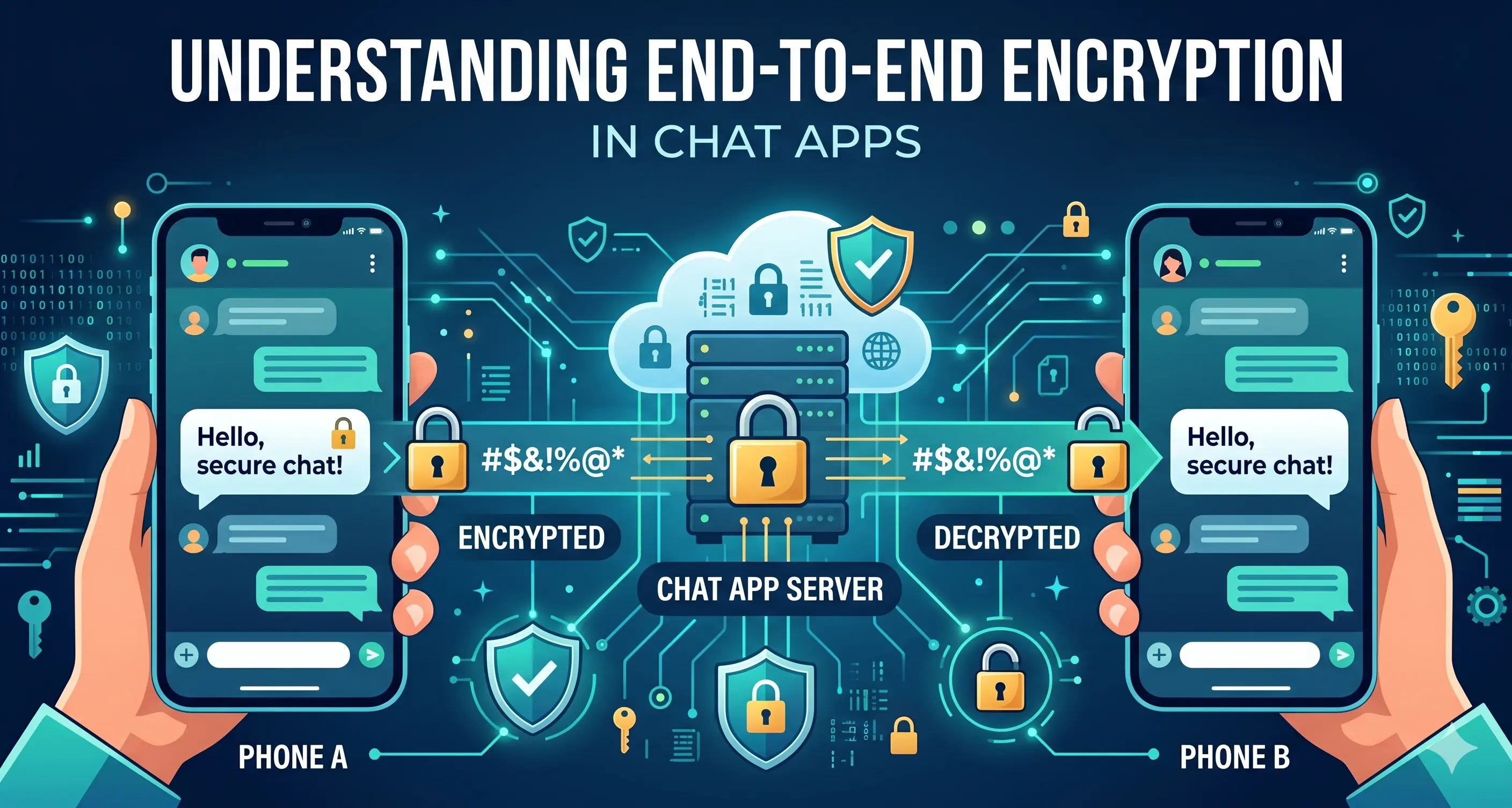
Imagine sending a locked box through the mail. You have the padlock, and only your recipient has the specific key to open it. Even if the postal worker, a thief, or the government intercepts the box during transit, they cannot look inside without breaking it. E2EE works similarly in the digital realm.
When you send a message via an E2EE-enabled app, your device encrypts (scrambles) the message into an unreadable format using a cryptographic key. This encrypted data travels across the internet and through the app’s servers. The message is only decrypted (unscrambled) when it reaches the recipient's device, which holds the matching key.
Why Does E2EE Matter?
Total Privacy: The most significant advantage of E2EE is that no one in the middle can read your messages. This includes your internet service provider (ISP), malicious hackers, and incredibly, even the company that built the chat app.
Data Integrity: Because the message is locked from end to end, it cannot be secretly altered or tampered with during transit. If a hacker tries to modify the encrypted data, the recipient's app will immediately recognize it as corrupted.
Protection Against Server Breaches: If a hacker manages to breach the servers of a chat application (like WhatsApp or Signal), they will only find scrambled, useless data rather than plain-text conversations.
Popular Apps Using E2EE
While not every messaging platform uses E2EE by default, many of the most popular ones have adopted it to ensure user trust. Apps like Signal and WhatsApp use end-to-end encryption for all chats by default. Others, like Telegram and Facebook Messenger, offer it as an optional "Secret Chat" feature.
Conclusion
As digital communication continues to dominate our personal and professional lives, understanding how our data is handled is more crucial than ever. End-to-End Encryption serves as the ultimate digital padlock, ensuring that your private conversations remain exactly that—private. The next time you download a new messaging app, checking for E2EE should be your very first step.